

I wish I never told anyone about my gap year
What a 3am YouTube rabbit hole in the Andes taught me about rest, creativity, and letting this year actually be what I said it would be

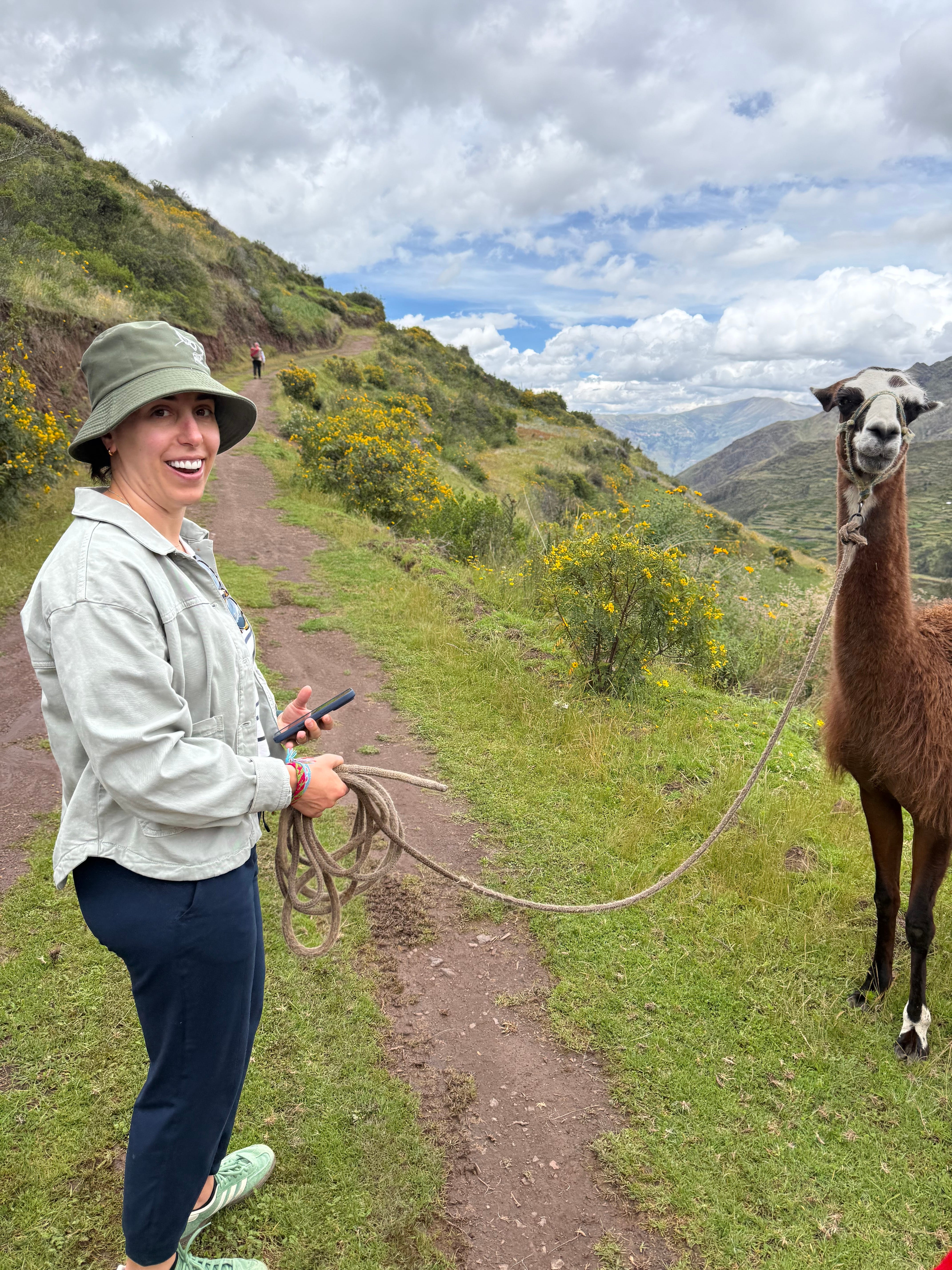
¡Hola from Peru! Or should I say, Imaynalla!, in Peru’s official indigenous language of Quechua. I’ve spent the last incredible nine days throughout the Sacred Valley in Peru with indigenous highlanders, hiking the Inca Trail into Machu Picchu, and petting too many llamas to count. (Let me know if you want a full Peru recap!)
I‘m writing to you from this little nook in the corner of our hotel room. After being away and mostly offline for the last nine days, I start to get the itch to write and use my brain.


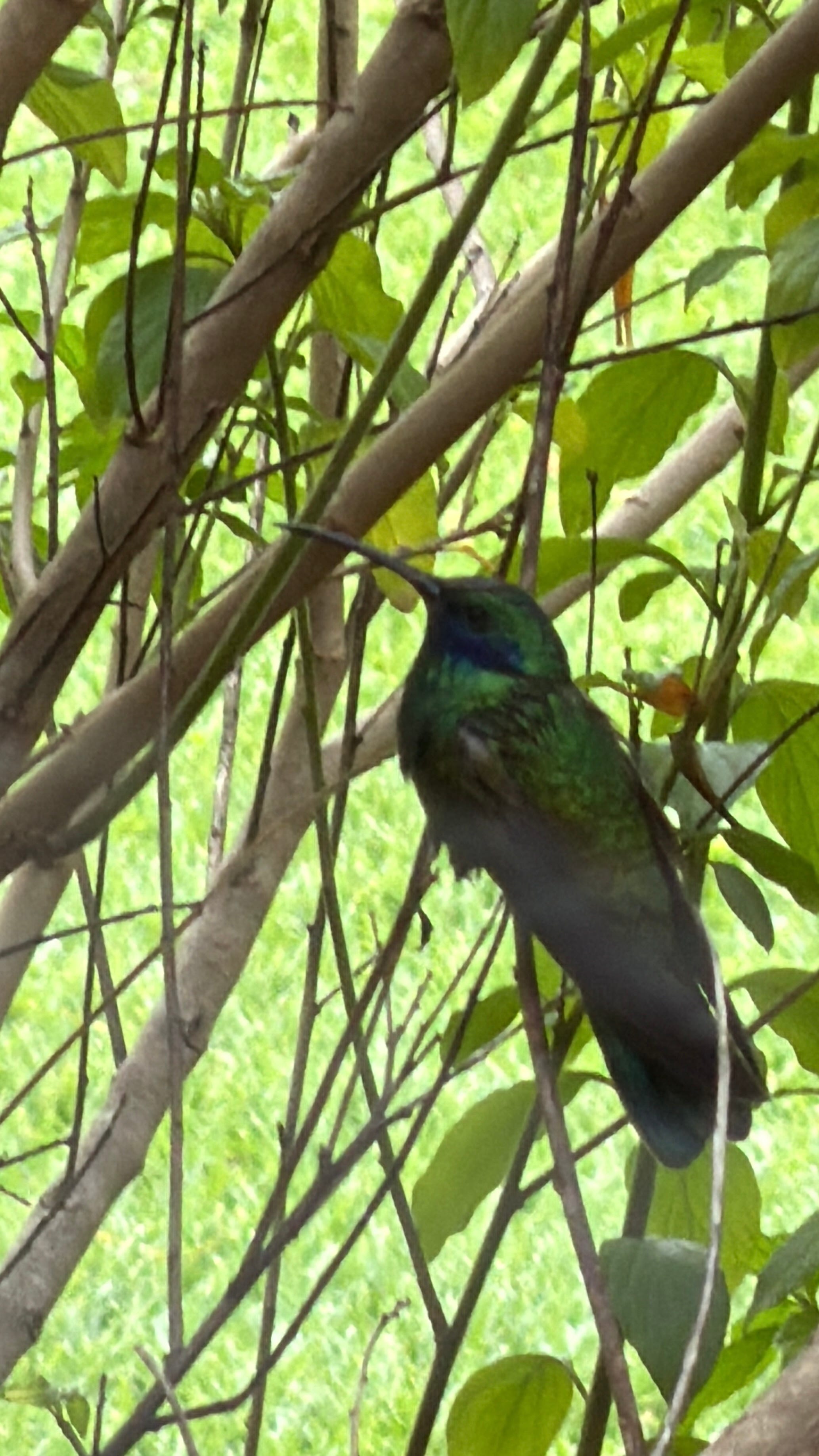
The sun is starting to peak out above the orange-tiled roofs, which I can see through the little rectangle window I opened to get some fresh, 12,500+ foot air. Somehow we’re in the middle of the city capital of the Sacred Valley, yet it’s completely silent outside. All I can hear is the incessant (in a good way!) chirping of my new favorite iridescently-green hummingbird.
We’re nearing the end of our trip and I’m so grateful I came here. Not only because of this beautiful country, its landscape, and especially its people — but also because this is exactly what I wanted my ‘entrepreneurial gap year’ to be all about. (You can read more about why I’m taking a gap year here and how people ‘got it wrong’ here.)
I’ve spent a lot of time thinking about why it bothers me so much that people think my “gap year” means I’m not working this year.
For one, I can openly admit how much pride and ego I have attached to achievement, productivity, and being associated with a business as successful* as mine.
(*You define what ‘successful’ means. To me, my business is successful not only because it’s so profitable, but because of how many people it impacts, how smoothly it runs 99% of the time, and how much freedom and flexibility it affords me and my team.)
But I think it also bothers me because of how misunderstood I feel about what I really need this year and why I’m taking it.
I’m actually pretty decent at physical rest. I kick up my feet most nights and snuggle under my favorite Barefoot Dreams blanket with Huddy (he insists! He’s a big Barefoot Dreams blanket guy) while we watch our show-of-the-moment (currently: The Traitors.) I go up to bed really early to wind down: do my skincare routine, stretch, meditate, read, and fall asleep early. I take entire days completely off from exercise. I get a massage once per week and I take “stare breaks” nearly everyday.
But what I’m not good is mental or emotional rest. My mind is constantly racing with new ideas about business and content. And as much as I’d love to pretend it’s because I’m some brilliant creative, I think it has more to do with my struggle with hyper vigilance and feeling terrified what might catch up to me if I stopped.
That’s what this year is supposed to be all about. Stopping looking over my shoulder for what might bite me. Stopping peeking around the corner for what’s next. Stopping checking my surroundings to see if I’m safe, and instead just noticing just how safe I actually am.
My ‘gap year’ has been really difficult to settle into, actually. Even though I’ve told everyone I was giving myself the year off of figuring out ‘what’s next,’ I’ve spent more time than I care to admit fretting about what’s to come and why I haven’t figured it out yet.
I’ve spent a lot of time lately wishing I’d never told anyone about my gap year at all — because I feel like I’ve spent more time talking about and explaining it than actually embodying it.
Like Goldilocks, I ebb and flow with how far down the “what’s next” rabbit hole I go. I’ll catch myself talking about it a lot with online business friends, or asking AI what my next move should be…
Only to snap back to what I really want this year to look like: holding steady, not adding on anything new, and letting myself mentally and emotionally rest.
In Peru, I can’t help but be confronted with how much my / our addiction to productivity, achievement, and capitalism has fed my need to do more, more, more. The highlander people live a beautiful life. They live in community in modest homes and grow most of their own food. When one community member has an especially good crop, or scores an especially good hunt, they share it with their neighbors.
Our very-in-demand highlander-guide here, Ruli, told us he intentionally only takes on about two tours/groups per month. That way, he has the other half of the month to spend with his two daughters and his wife, Cynthia. He also wants to have time to spend on maintaining his crops and animals and to pursue what he loves to do outside of work: cycle, hike, and hunt.
He’s connected to nature and his community in a way I’ve never seen before. He knows the Latin name for every bird, flower, fruit, and vegetable we saw throughout the valley. He knows which ones you use to suck out bruises (true story!) and which ones help with libido. He knows how to split open the “muerto” — a little flower you roll between your thumbs and throw at other people, where it sticks to their clothing, thus ‘killing’ them. He showed us how as children, they use the petals of one flower to create ‘swords’ and play with one another.
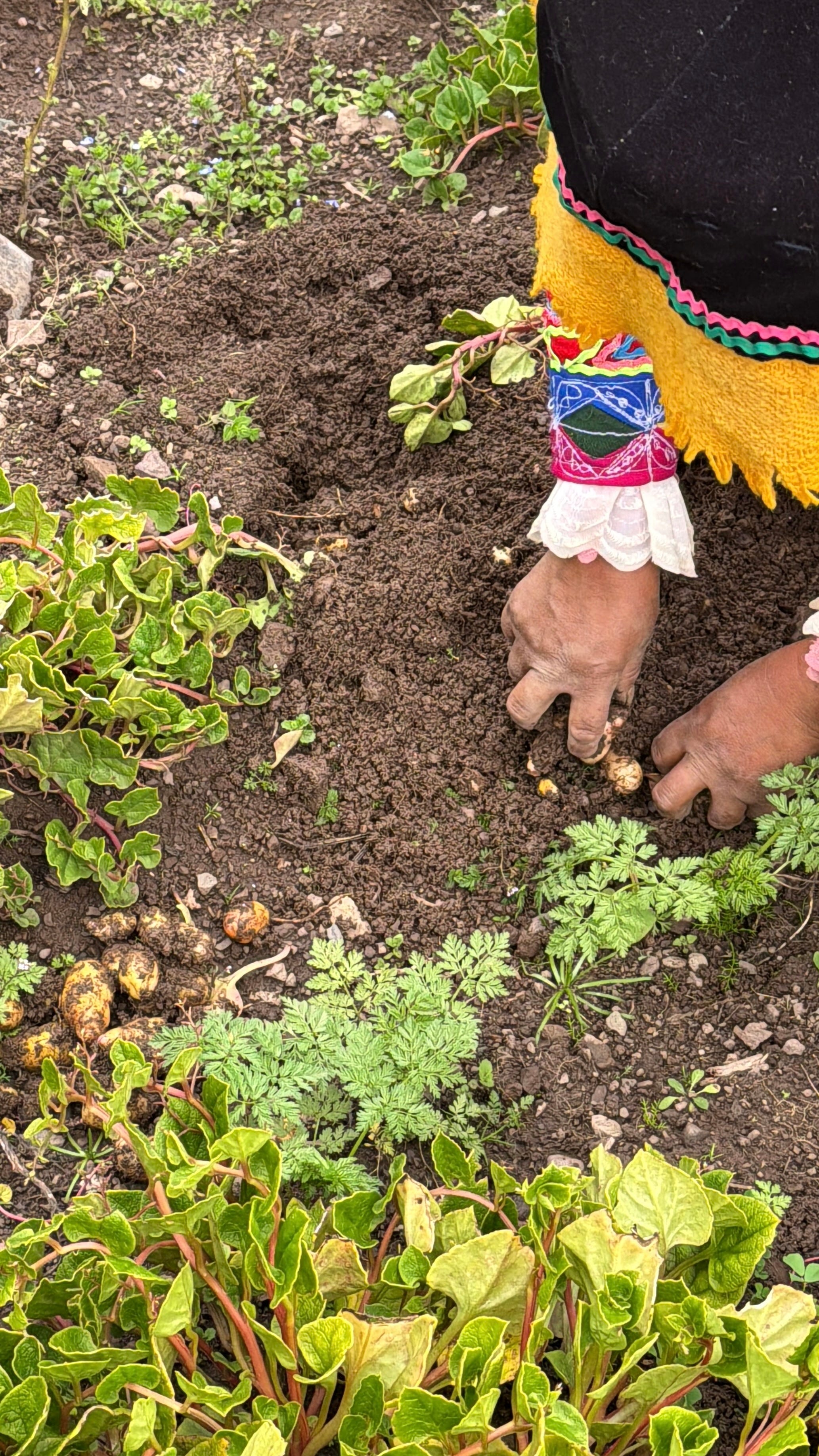
He has enough. He’s connected to Pachamama (Mother Earth). He’s not trying to get the most tourists or have the biggest Instagram following. He’s living in alignment with his values. Even if you have different values than his, how can you not admire how closely he adheres to his?
I fell asleep that night thinking about Ruli — about what it actually looks like to live without constantly scanning for what’s next. And maybe that’s why, when I woke up at 3am unable to breathe from the altitude and opened YouTube out of restless desperation, what I found felt like it was meant for me.
I landed on an interview with Michael Richards (Kramer from Seinfeld). When the interviewer asked him if he ever watched Seinfeld when it was on, he told here he couldn’t analyze his art while he was also performing it.
As online business owners, I don’t think we tend to think of the newsletters, social posts, content etc. we create as art, but we should. Whether you’re creating really unique reels, in-depth YouTube videos, well-researched podcast episodes, or writing from the heart here on Substack — this is art.
Something about what Richards said struck a chord with me. That part of my wish for this year is to give myself this year off of analyzing myself and my art.
I so desperately want to know what’s next, what else I can do, whether I can write another book — but I can’t analyze what I’m doing in the pursuit of those things while creating what’s coming out of me.
To get where I want to go, I have to play freely.
I have to write essays about why I stopped shopping on Amazon and why you still feel illegitimate even when you’ve ’made it.’ They don’t have any perfectly-tied up call to action, like I’m used to when writing for my business. They don’t ’go anywhere’. I have nothing to sell or even teach, most of the time.
It’s the first time in my life I’m sharing something about me, without being concerned about how much I need to be giving others to make up for it.
It’s the first time since I started my business that I’m sharing without gamifying — figuring out what people want from me and sharing it like a circus monkey, performing for their views, attention, and praise.
Sometimes I’ll start to comb through the Substack data and old parts will pop up saying, “oooo see! When you write about x, y, or z — people like it! Write more about x, y and z.” That part is performing for others. That part gets validation if, and only if, other people find what it produces useful.
That part is constantly analyzing while it performs.
So maybe that’s why I get so frustrated when people mistake my year for ‘not working.’ Because working or not working is not going to fix or shift my relationship with it. It’s not like if I just took the year off of working I’d suddenly not feel the urge to perform for others. I think I’ll actually come out of the other side of this year stronger because I chose to keep working, but learned how to shift my relationship to it while I was actually doing it.
With that — I’m off to run around Peru for my last few days here! I already know I’ll miss it here, but I’m very ready to see Huddy (my dog!) and to brush my teeth with tap water. And to be able to freely eat raw fruits and vegetables and put toilet paper down the toilet, if we’re being honest. It’s the little things!
Leave a comment below if you have any reflections of your own to share after reading this post. If you don’t subscribe to my (free) substack yet, you can here:
Let me know in the comments if you want a full Peru recap, too! It would be really fun to put together.
Xo,
Sam
Thanks so much for sharing … about to head out on a “gap year” — or rather a “sabbatical” as we call it in the academic area in Europe— it’s a very respected time to travel, get inspiration and reflect. In Switzerland they give Public school teachers (even middle school level!) the right to go on a paid sabbatical after 10 years working! It’s important for mental and emotional health and to get the motivation to keep working.
This reminded me of a podcast I heard years ago where a set of business owners (a wife and husband) were at a point where their business was doing really well, but it had plateaued. They started to get ready to figure out how to take it to the next level when they realized they had two choices: they and their team could work extremely hard to expand and grow again or... they and their team could take more vacation time, work fewer hours, and enjoy their lives more. And they decided to do the latter because they wanted their business to support them rather than have their business be the center of their lives.
I remember thinking, why does this feel so revolutionary? And it's because we see almost no examples of this in the US. But continuous growth forever is actually extremely unnatural.
So thank you for being a rare example of this. Even just attempting it is incredibly necessary for all of us to see.